I’m not necessarily bothered that it happened to Valve. I honestly do see the other commenters point about the secondary market Valve runs as part of their platform.
On the other hand though I’m almost certain that WoW has basically the same thing (I’ve never actually played WOW, so I can’t be 100% positive), and if literally the only problem is them running the secondary market, the lawsuit makes more sense.
But the fact that they included selling hardware to sell the digital assets makes me suspect that they don’t know you could essentially do the same thing with a switch or PlayStation and that’s wild to me.
They didn’t memtion selling hardware as a way of selling digital assets. They included selling hardware as a way to convert the digital currency in steam wallet to real cash. The process of “selling skin in marketplace -> use those funds to buy a steam deck -> selling the deck for cash” is straightforward, and all allowed by valve.
Other platforms have people circumventing the rules and restrictions in order to sell digital assets for cash. In steam, they are included and supported by valve (and valve profits immensely from it, by selling the keys and getting a cut of most sales)
I haven’t played wow in like 15 years, so I don’t know either.
I do know that many other games have this system, some worse. I get the issue where you can get your money back out being actually a draw for people who could see it at profitable, that’s a helllllla dark pattern.
I don’t think Valve runs any of the third party platforms though. They only run the Steam marketplace, to my knowledge. I refuse to gamble on CS2 skins though, it goes against my values.
Being able to launder assets into money, while potentially being a draw (“wow, if I spend $20, I could make $1,000,000!”), seems really fucking obtuse as soon as you realize that it’s through buying sold out steam decks or valve indexes. If that is happening though, I wish it wouldn’t, because that encourages scalping.
I proposed a system for cs2 in a different thread:
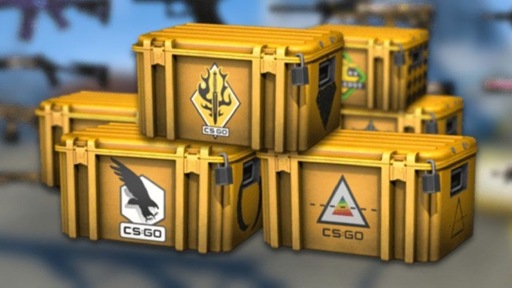
You only get so many crates per week or hour played or whatever, and those crates are free to open and random. But, you can buy keys for specific crates where you can manually choose what you get out of said crate. The profits for that crate is split between the different skins in that crate, with more percentage going to the skin maker of the skin you chose.


I’m not necessarily bothered that it happened to Valve. I honestly do see the other commenters point about the secondary market Valve runs as part of their platform.
On the other hand though I’m almost certain that WoW has basically the same thing (I’ve never actually played WOW, so I can’t be 100% positive), and if literally the only problem is them running the secondary market, the lawsuit makes more sense.
But the fact that they included selling hardware to sell the digital assets makes me suspect that they don’t know you could essentially do the same thing with a switch or PlayStation and that’s wild to me.
They didn’t memtion selling hardware as a way of selling digital assets. They included selling hardware as a way to convert the digital currency in steam wallet to real cash. The process of “selling skin in marketplace -> use those funds to buy a steam deck -> selling the deck for cash” is straightforward, and all allowed by valve.
Other platforms have people circumventing the rules and restrictions in order to sell digital assets for cash. In steam, they are included and supported by valve (and valve profits immensely from it, by selling the keys and getting a cut of most sales)
I haven’t played wow in like 15 years, so I don’t know either.
I do know that many other games have this system, some worse. I get the issue where you can get your money back out being actually a draw for people who could see it at profitable, that’s a helllllla dark pattern.
I don’t think Valve runs any of the third party platforms though. They only run the Steam marketplace, to my knowledge. I refuse to gamble on CS2 skins though, it goes against my values.
Being able to launder assets into money, while potentially being a draw (“wow, if I spend $20, I could make $1,000,000!”), seems really fucking obtuse as soon as you realize that it’s through buying sold out steam decks or valve indexes. If that is happening though, I wish it wouldn’t, because that encourages scalping.
I proposed a system for cs2 in a different thread:
You only get so many crates per week or hour played or whatever, and those crates are free to open and random. But, you can buy keys for specific crates where you can manually choose what you get out of said crate. The profits for that crate is split between the different skins in that crate, with more percentage going to the skin maker of the skin you chose.